Building a brand-new program from scratch is a completely different beast to delivering something you have run dozens of times.
When you have that track record, you have evidence. You trust what lands, you know where people will laugh, and you know exactly when the lightbulb moments happen.
When it is brand new, every single decision feels like an educated guess. Is this explanation clear? Is this activity too much? Will this actually work once real people are sitting in the room?
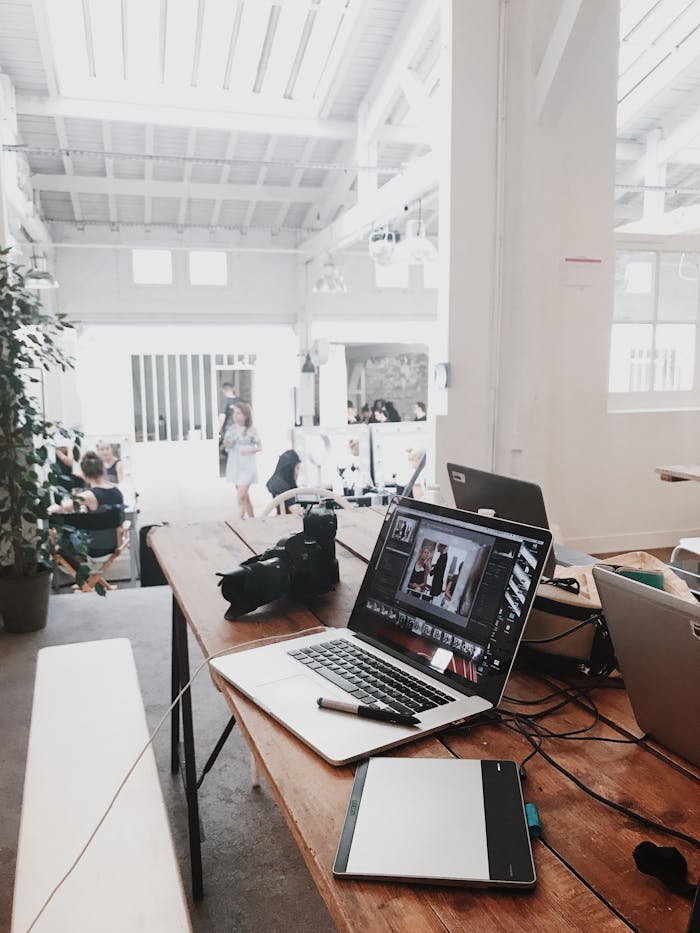
Running a solo consulting practice means the inside of your head is where most of the quality control happens. When you are deep inside the build, perspective is the first thing to walk out the door, and sleep is usually the next thing to go.
So the endless tweaking begins. We tell ourselves we are refining, but most of the time we are just managing anxiety about whether the work is good enough.
Perfectionism is rarely about high standards. It is about uncertainty. When you cannot know for sure if something will land, you compensate by over-polishing activities, workbooks, slides, and formatting, hoping that covers the doubt.
Two things broke the loop for me on this one.
First, a trusted colleague generously gave up her time to share real feedback when I desperately needed an objective eye. Not polite cheering, just clear honesty on what worked and what was getting in the way.
Second, using AI as an on-demand sounding board. Claude became my 10pm thinking partner to pressure-test my assumptions before anyone set foot in the room.
Instead of asking AI to create content, I fed in raw lesson plans and asked:
- Where are the weak links in this learning design?
- Is this explanation clear, specific, and jargon-free, or does the flow fall apart?
- What is a participant likely to get stuck on in this exercise?
Hearing my own logic reflected back broke the isolation of solo design. It forced me to strip away decorative fluff and focus on how people actually learn.
When delivery day came, the room was buzzing, the energy was electric, and initial feedback confirmed the design did its job.
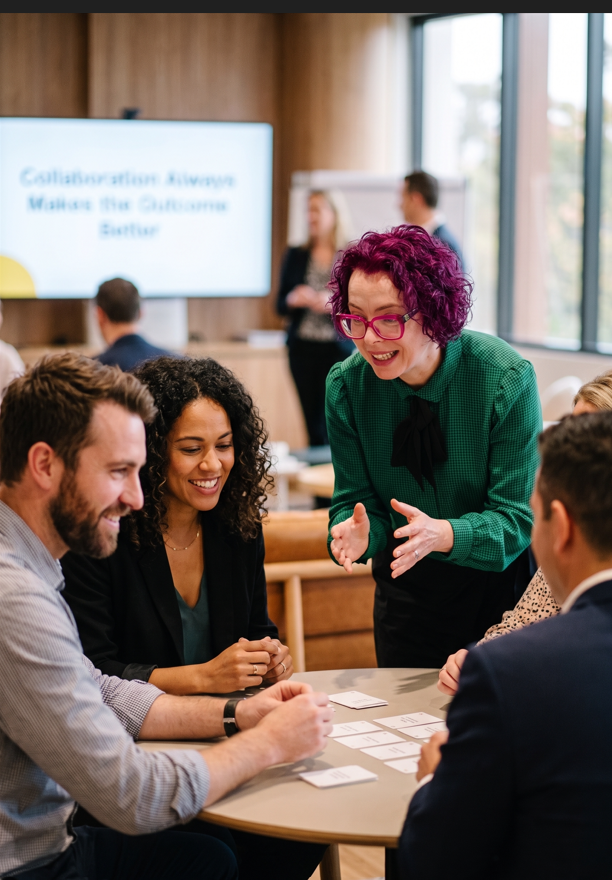
The biggest lesson was remembering that room magic comes from giving people space and clear structure to create together. When building alone, giving myself that same space and using outside sounding boards is how that magic gets built in the first place.
No amount of slide formatting can rescue a clunky activity, but solid learning design will carry the room every single time.
If you are building something new on your own right now, trust your foundations, get an outside perspective to challenge your blind spots, and ship it.
What is your go to question for pressure testing an idea before you share it with the room?